Skip to content


If recovery after a hard workout or minor injury takes longer than it used to, you have probably heard the word exosomes. That frustration is common. What used to resolve in a day now lingers for several days, and conventional explanations rarely tell the whole story. Research suggests exosomes act as messengers between cells and help the body coordinate tissue repair, which is part of why they have become one of the most discussed areas in regenerative medicine.
The scientific interest is real. So is the distance between what laboratory research suggests and what has been established in patients. If you are looking into exosome therapy in Jericho, NY, here is what the research supports and what it does not.
Do exosomes actually help the body heal faster?
Not in a way that is established yet. Exosomes are thought to play a role in how the body coordinates healing, but that remains a proposed mechanism rather than something demonstrated in patients, which is why exosome therapy is still considered investigational rather than routine care. It is a question worth raising with a physician who knows your health history.
What Exosomes Are and Why Researchers Pay Attention to Them
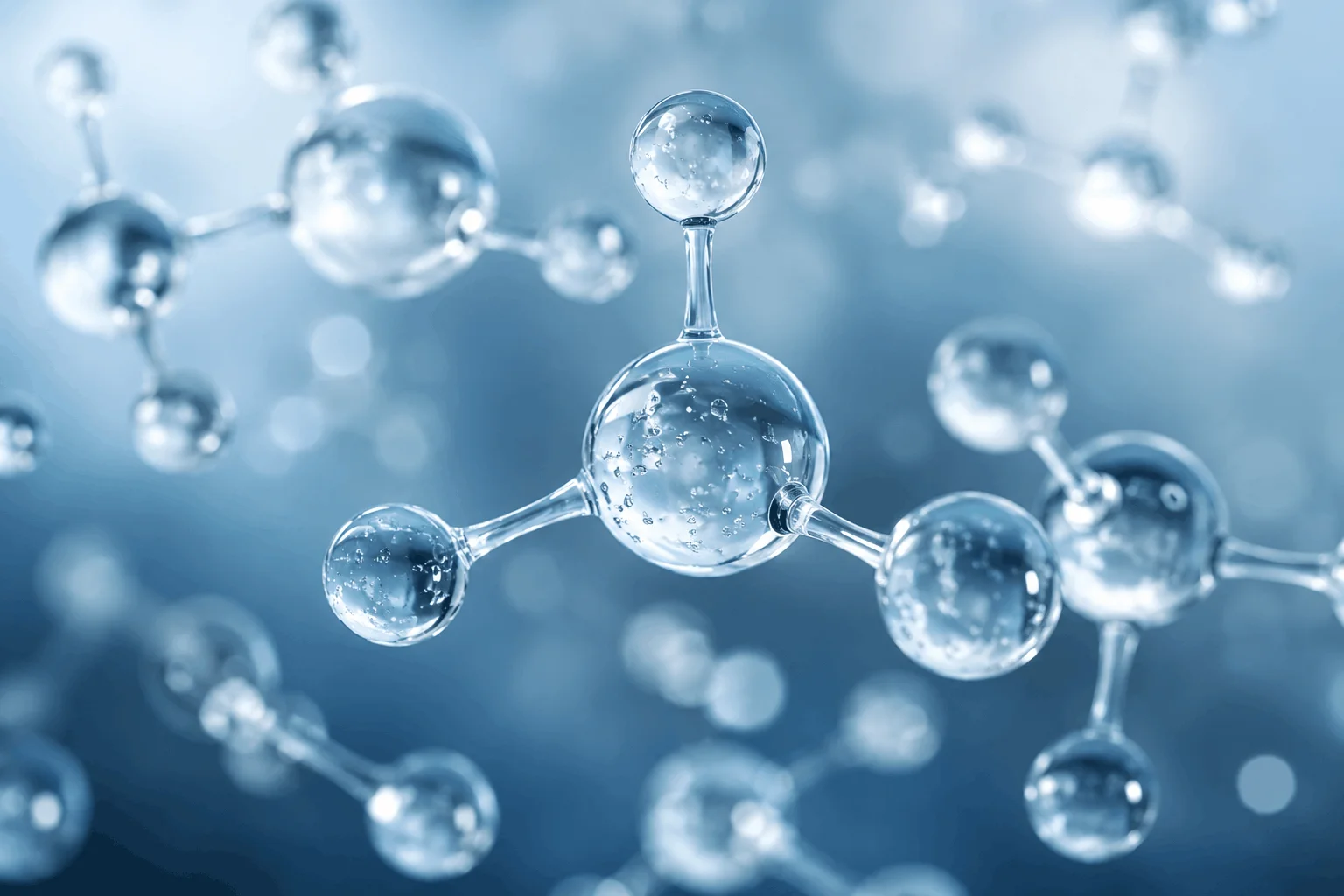
Exosomes are tiny vesicles that cells release to carry proteins, lipids, and RNA to other cells. They are not a synthetic drug. Every cell type in the body produces them as part of normal biology, which is why they drew scientific attention. The simplest way to picture one is as a small packet of instructions: a cell packages a message, releases it, and a nearby cell receives it and responds.
What interests researchers is the cargo. An exosome does not deliver a single compound. It carries a mix of molecules that can influence how the receiving cell behaves, which means the message is more like a set of directions than a single switch being flipped.
One clarification is worth making early, because it causes constant confusion. Exosomes are not stem cells. They are vesicles released by cells, not cells themselves. Many online sources file the two under the same regenerative therapy heading, and the distinction matters when you read claims about cellular repair.
How Exosomes Are Thought to Influence Tissue Repair
The working theory is that exosome signaling influences inflammation, cell migration, and how healing cells behave. Repair is not a single event. It is a sequence that has to happen in order, with inflammation rising, resolving on schedule, and repair cells arriving where they are needed. When that sequence stalls, healing slows down even though every individual component is working. Signaling is the layer that keeps the order intact, which is why researchers have studied it.
Preclinical and early clinical work has produced interesting signals across several tissue types, including skin, musculoskeletal tissue, and cartilage, and researchers have examined how exosomes relate to growth factors already known to participate in healing.
One piece of framing is worth holding onto. A proposed mechanism is not the same as a demonstrated outcome in patients. Plenty of ideas have looked compelling at the cellular level and then underperformed in human trials. That is not a reason to dismiss the research, but it is a reason to read claims carefully.
What Is Actually Known About Exosomes So Far
What is known about exosomes so far comes mostly from the laboratory and from animal work, with human experience still limited in size and scope. A second complication gets less attention: preparation methods, sourcing, and dosing vary widely between products, so two clinics using the word exosomes may not be working with comparable material at all. That variability makes it difficult to compare outcomes or establish a standard protocol for cellular recovery. Therapeutic use is still considered investigational rather than established care, which is a meaningful distinction when you are reading claims online.
That gap is also why the online conversation tends to run ahead of what is actually known. An encouraging early finding gets summarized, repeated, and stripped of its qualifiers until it reads like settled fact. The fair summary is a promising area, not a settled treatment. Anyone telling you otherwise is ahead of what has been shown.
What to Ask a Physician and Who Should Approach This Cautiously
If you are considering exosome treatment in Jericho, NY, the quality of the clinical evaluation matters more than the treatment’s name. Ask what the specific product is, where it is sourced, and what research supports it for your particular concern rather than in general. Ask how your health history, medications, and lab results factor into the assessment, and what monitoring looks like afterward. It is also fair to ask what else might explain what you are experiencing, since slow recovery can have causes worth ruling out first. A physician who answers directly, including when the answer is that we do not yet know, gives you useful information.
Caution applies in several situations:
- A current or prior cancer diagnosis without oncologist clearance
- Pregnancy or breastfeeding
- Known sensitivities to components of a specific preparation
At Restoration Health 365, exosome and peptide protocols sit inside a preventive and regenerative medicine program that begins with lab work, health history, and a clinical evaluation rather than a product selection. Dr. Kessler and Dr. Flashner design and oversee those protocols directly. This is not a one-session decision made from a website.
What to Take Away From This
The science behind exosomes is genuinely interesting, the evidence in people is still developing, and the gap between those two is where careful reading pays off. A thoughtful physician will walk you through what is known and what remains under study rather than presenting a treatment as a conclusion you have already reached. That conversation is worth having even if the outcome is that this is not the right direction for you right now.
If you want to talk through what recovery support could reasonably look like for your health history, the team is available whenever you are ready. Schedule a Consultation at Restoration Health 365 to Discuss Exosome Therapy